![[Curso de HTML5]](https://animaconsult.com.br/site/wp-content/themes/anima/img/_logo.png "Curso de HTML5")
ANIMA - ACREDITANDO SEMPRE NO BRASIL
ÓLEOS VEGETAIS - GLICERINA - ÁCIDO GRAXO - SEBO
Topo
There was an increase of 4.3% in the area to be planted, estimated at 72.7 million hectares
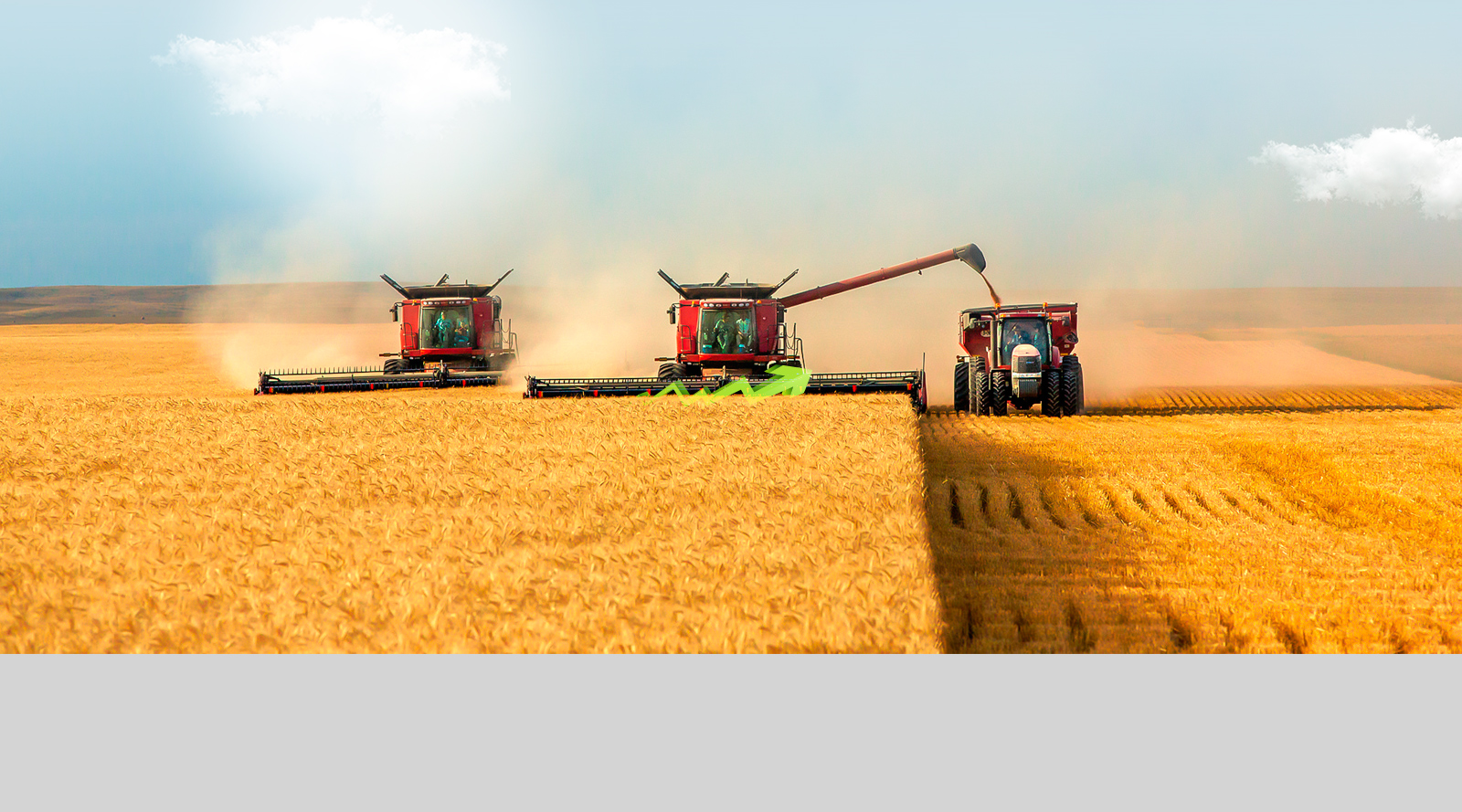
With growth of more than 10 million tons compared to the previous cycle, grain production should reach 265.7 million tons, according to the 6th Survey of the 2021/22 Crop carried out by the National Supply Company (Conab). Published this Thursday (10), the document also shows an increase of 4.3% in the area to be planted, estimated at 72.7 million hectares – which corresponds to the incorporation of 3 million hectares, mainly influenced by by the growth of soybean and corn area.
Despite the expectation of an increase in the harvest when compared to the result obtained in the 2020/21 period, there is a slight loss in production of 0.9% over the volume released in the last month, when 268.2 million tons were expected. The drop is a reflection of the severe drought observed, especially in the states of the southern region of the country and in the center-south of Mato Grosso do Sul. The adverse weather had a significant impact on the productivity of soybean and corn 1st harvest, mainly.
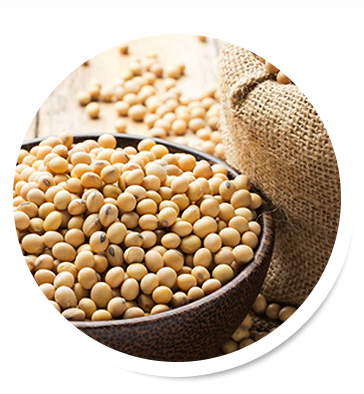
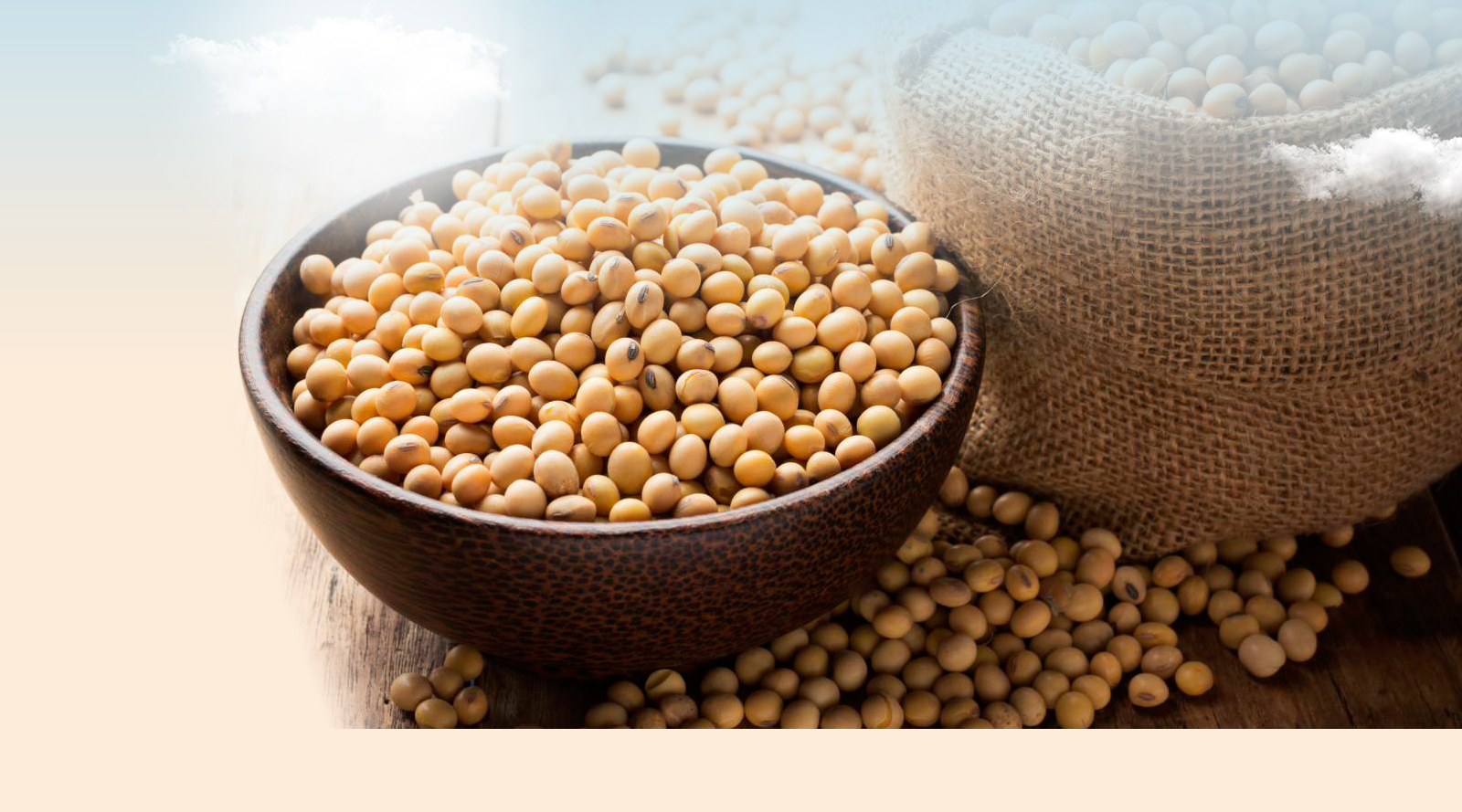
With soybean planting completed on 40.7 million hectares, an increase of 3.8% in the planted area compared to the 2021/22 crop, attention is turned to the progress of the oilseed harvest, which already exceeds 50% throughout the year. parents. As observed by the Company’s technicians, the yields obtained reflect the climate scenario during the crop cycle. Production is expected to reach 122.76 million tons.
The advance of the soybean harvest dictates the pace of second crop corn planting. Currently, Conab estimates 74.8% of the area already sown. Highlight for Mato Grosso with 94% planted. The forecast is for planting in an area of approximately 16 million hectares, which represents an increase of 6.7% over the previous harvest. Conab’s current expectation is that the total production of the cereal will grow 29%, reaching 112.3 million tons. The increase is driven by the better performance, mainly of the second harvest of the grain, which tends to increase from 60.7 million tons in the 2020/21 period to 86.2 million tons in the current season.
Growth expectation also for cotton. In the Company’s current survey, an increase of 19.7% in fiber production is expected, reaching approximately 6.9 million tons, of which 2.82 million tons are just lint. For beans, the first cycle of this crop was partially compromised by yield losses, mainly due to adverse weather conditions. Second crop crops of the legume are under implementation or in full development, with the prospect of achieving a good result, guaranteeing the supply of the consumer market and balancing the grain supply. In the case of rice, Conab foresees a reduction in both cultivated area and productivity. With this, the estimated production is 10.3 million, down 12.1% compared to the 2020/21 harvest.
Minister Tereza Cristina (Agriculture, Livestock and Supply) participated in the announcement of the data and highlighted the investment in technology and human capital to improve the treatment and qualification of data. “Conab’s work is essential for the country, without data and without information decisions are taken without precision. All Brazilian farmers, the entire sector benefits”, she pointed out.
Production costs
During the 6th survey webinar, Conab presented the percentage share of fertilizers in costs for soybean, corn and wheat crops. According to the study, currently the share of these products is within a margin between 30% and 40% in variable costs, depending on the producing region and the product analyzed. “It is worth mentioning, however, that this percentage includes the values practiced until February of this year. The conflict between Russia and Ukraine, in turn, began at the end of last month. With this, the impact, both on the prices received by the producers and on the amounts paid for the inputs, will be better measured from the calculations to be carried out throughout this month”, ponders the manager of Production Costs at Conab, Rodrigo Souza.
In the case of wheat, fertilizers represent about 33% of variable costs in Passo Fundo, Rio Grande do Sul, while in Cascavel, Paraná, the percentage reaches 38%. For 2nd harvest corn, the weight of these inputs reaches 33% in Sorriso (MT). In the cultivation of soybeans in the municipality of Mato Grosso, the percentage of participation of fertilizers reaches an index of 37%.
“Any increase in fertilizer prices has a significant impact on costs for producers, which tends to influence the prices of final products made available to consumers”, reinforces Rodrigo Souza. “Even with this increase in grain commercialization values, gross and net margins for farmers follow a downward trend, given the difficulty of transfer between production and retail”.
According to data from the Secretariat of Foreign Trade, about 22% of fertilizers imported in the last year originated in Russia, followed by China with 15% and Canada with 10%.
This Friday (11), the Federal Government will launch the National Fertilizer Plan (PNF), which will be a reference for planning the fertilizer sector in the coming decades, promoting the development of national agribusiness, focusing on the main links in the chain. : traditional industry, rural producers, emerging chains, new technologies, use of mineral inputs, innovation and environmental sustainability. The plan is also an important tool to reduce Brazil’s dependence on imported fertilizers.
Starting in April, researchers and technicians from the Brazilian Agricultural Research Corporation (Embrapa) will start the FertBrasil Caravan, when they will visit around 30 production centers in nine agricultural macro-regions in Brazil, with the aim of promoting increased efficiency in the use of fertilizers. and inputs in the field, reduce production costs for rural producers and encourage the adoption of new technologies and good soil, water and plant management practices.
Marketplace
In this survey, in relation to the foreign market, Conab maintained the estimate of cotton exports with growth of 2.5%, in relation to the last year, expecting a volume of 2.05 million tons to be reached. For soybeans, corn and beans, the forecast for volumes to be exported remained stable at 80 million tons, 35 million tons and 200 thousand tons, respectively.
In the case of wheat, shipments remain above the historical average, with more than 800,000 tons of the product being sold in February, according to data from the Department of Foreign Trade. In view of this, there was a new increase in estimates for exports of the 2021 crop, whose commercial year runs until July this year. The new forecast is that 2.1 million tons will be shipped by the end of this period. Finally, the expectation of sales to the external market of rice was reduced, from 1.4 million tons to 1.3 million tons, given the decrease in production estimates and considering the scenario of the international grain market.
As for the expected ending stocks, for corn the changes were not significant, with the carryover stock expected for the 2021/22 crop at 10.3 million tons, an increase of 32.15% compared to the previous period. As for soybeans, stocks at the end of December 2022 are expected to be 2.41 million tons, a reduction of 9.1% compared to the February survey. The drop is explained by the further reduction in the production estimate for the year 2022.
As for wheat, in this survey, despite the increase in the forecast for exports from 1.9 million tons to 2.1 million tons, carryover stocks end the 2021 crop at 180,000 tons, a stable volume compared to the February survey. . The greater volume exported tends to be offset by the increase in imports from 6.8 million tons to 7 million tons.
Source:https://www.agrolink.com.br/noticias/safra-de-graos-cresce-4–em-relacao-ao-ciclo-anterior_463204.html